



7 Costly Mistakes Caused by Poor Irrigation Documentation
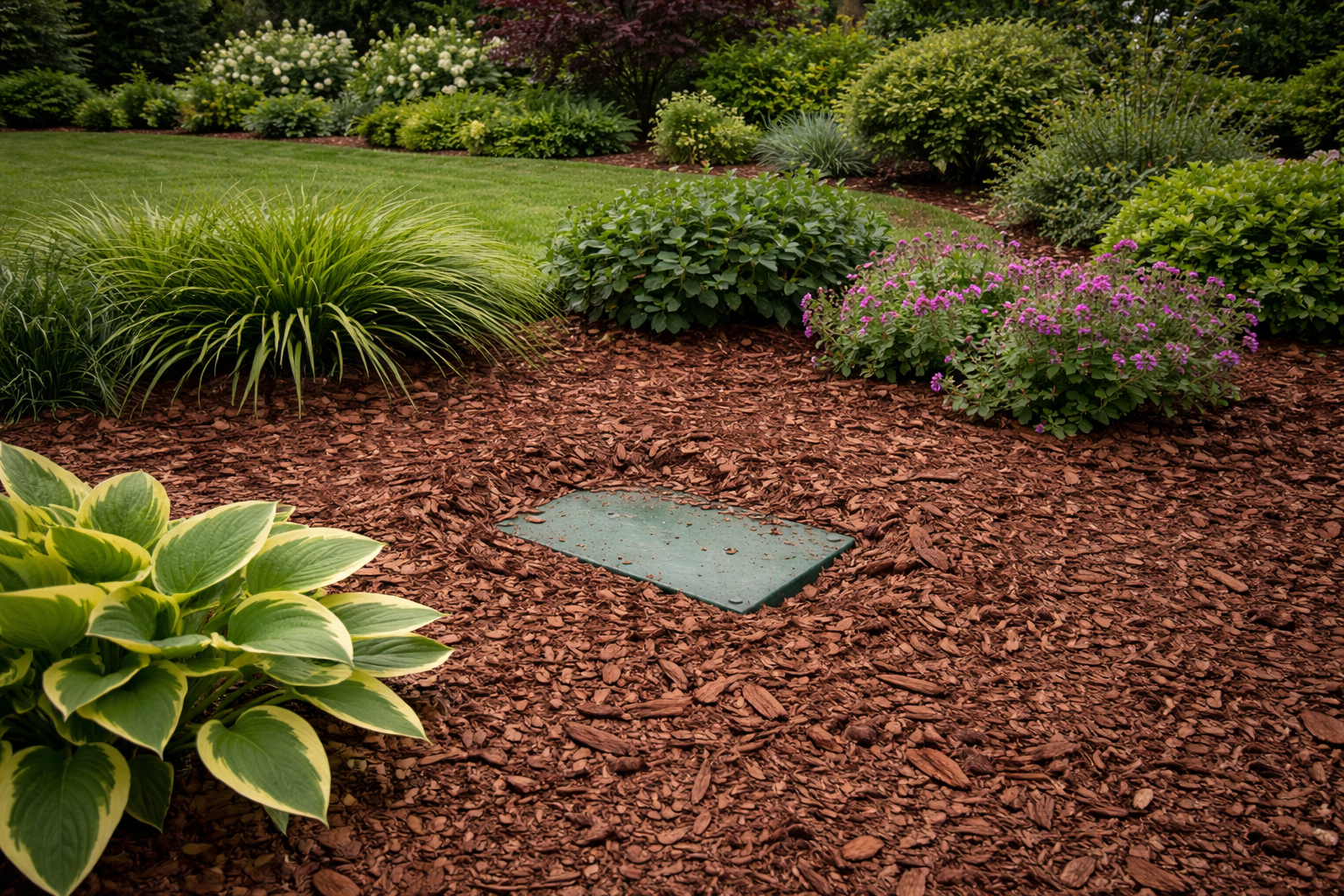
Whether you manage a sprawling farm, a commercial landscape, or a residential property with an extensive drip system, your irrigation setup is only as reliable as the records behind it. When documentation is incomplete, outdated, or nonexistent, small problems have a way of becoming expensive disasters. Here are seven of the most costly mistakes that stem directly from poor irrigation documentation and why getting organized can save you serious money.
1. Replacing Components That Are Still Under Warranty
Without proper records of purchase dates, model numbers, and warranty terms, property owners and managers routinely pay out of pocket for parts and repairs that should have been covered at no cost. A valve that fails at 18 months may carry a two-year warranty but without documentation, that coverage is essentially invisible. Maintaining a simple log of equipment purchases and warranty periods can easily save hundreds, or even thousands, of dollars over the life of a system.
- Keep a spreadsheet, folder, or add pictures to your mapping software with receipts, model numbers, and warranty expiration dates for every major component
- Set calendar reminders before warranties expire so you can inspect equipment while coverage is still active
2. Digging in the Wrong Place
One of the most immediate and frustrating consequences of missing irrigation maps is unnecessary excavation. When a leak is suspected or a line needs to be extended, crews without accurate as-built drawings often resort to guesswork, digging multiple test holes, disturbing landscaping, and wasting hours of labor before locating the actual problem. A clear, up-to-date map of your buried lines pays for itself the first time someone needs to find a specific zone or junction. Learn how to get started Mapping Your Irrigation System Digitally.
- Even a hand-drawn sketch with measurements from fixed reference points is far better than nothing
- Update your map every time a line is added, moved, or repaired, not just during initial installation
3. Overlooking Recurring Leaks
Leaks that are fixed without being documented tend to come back and nobody knows why. Without a maintenance log capturing where leaks occurred, what caused them, and how they were repaired, you lose the ability to identify patterns. A fitting that fails repeatedly in the same location, or a zone that consistently loses pressure each spring, signals a systemic issue that demands a real solution. Without records, every repair feels like the first one.
- Take pictures and drop GPS pins or put a metal bolt in the ground so you can find it with a metal detector.
- Log the date, location, cause, and repair method for every leak, no matter how minor it seems
- Review your leak history annually to spot patterns before they turn into bigger failures
4. Overwatering and Underwatering
Irrigation schedules are not set-it-and-forget-it. Seasonal changes, plant growth, new landscaping, and changes in water pressure all require adjustments. When schedules are not documented and updated, zones get watered at outdated rates, leading to overwatered areas that breed disease and root rot, or underwatered sections where plants silently struggle. Documented schedules, reviewed regularly, are the foundation of water-efficient irrigation management.
- Record the run time, frequency, and flow rate for each zone at the start of every season
- Note any schedule changes and the reason behind them so future adjustments are made with full context
5. Paying for the Same Work Twice
When contractors or maintenance crews lack documentation about what was previously installed or repaired, duplicate work is almost inevitable. A technician with no record of a recent valve replacement may recommend and charge for another one. An irrigation designer hired to expand a system may unknowingly replicate infrastructure that already exists. Thorough documentation protects you from paying for the same solution more than once. The YardPro app keeps all of your property records, maps, and maintenance history in one place, accessible to your whole team.
- Share relevant records with any contractor before they begin work on your system
- Ask for pictures and written summaries of all completed work so your documentation stays current after every service visit
6. Emergency Repairs That Could Have Been Planned
Reactive maintenance is always more expensive than proactive maintenance. Systems that lack documented inspection histories and component lifecycles tend to fail without warning, forcing rushed repairs, after-hours service calls, and premium pricing for parts ordered on short notice. When you know the age and service history of your components, you can schedule replacements before failures occur, on your timeline and at a predictable cost.
- Track the installation date and expected lifespan of key components like valves, filters, and emitters
- Build a simple annual inspection checklist and document the results each time it is completed
7. Water Bills That Nobody Can Explain
Unexplained spikes in water usage are one of the clearest signs of a leak in your irrigation system. Without baseline consumption data tied to specific zones and schedules, it becomes nearly impossible to pinpoint where water is being wasted. A slow drip, a stuck-open valve, or a misconfigured timer can go undetected for weeks or months, silently inflating your water bill. Documented baselines give you something to measure against and a faster path to finding the problem when numbers don't add up. Read more in our guide on How to Detect a Leak in Your Irrigation System.
- Record your expected water usage per zone and compare it against your actual meter readings regularly
- Pair your system with a YardPro Smart Leak Sensor to monitor real-time pressure data and catch unexpected drops before they show up on your bill
The Bottom Line
Good irrigation documentation is not glamorous work, but it is some of the highest-return work you can do for a property. Maps, maintenance logs, equipment records, and schedule histories collectively form a system memory that prevents costly mistakes, speeds up repairs, and supports smarter decision-making. Whether you manage one property or many, the time invested in keeping accurate records will consistently save far more than it costs.
Looking for tools to help you monitor your irrigation system in real time? Our Wireless Smart Leak Sensor gives you live pressure data and instant alerts, so problems are caught before they become expensive.