



Pressure Sensors vs Flow Meters for Irrigation Leak Detection
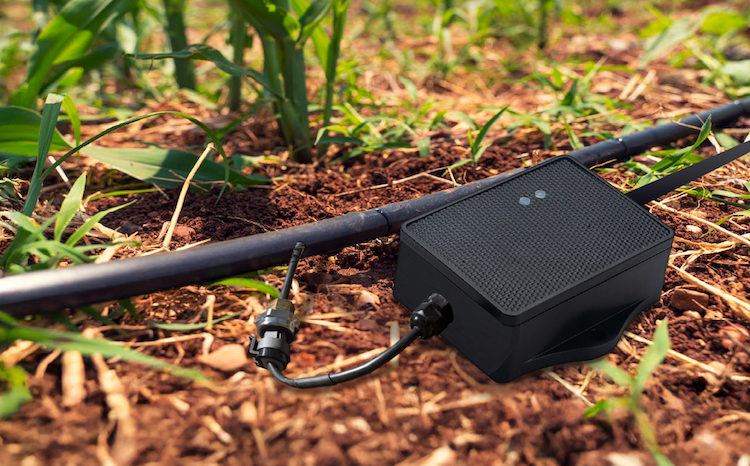
Modern irrigation systems depend on early detection to prevent water waste, plant stress, and infrastructure damage. Two common approaches to monitoring system health are pressure sensors and flow meters. While both provide valuable data, they answer different questions and perform best in different scenarios.
Understanding these differences is critical when choosing the right tool for an irrigation system.
What Flow Meters Measure
Flow meters measure the volume of water moving through a pipe, typically expressed as gallons per minute or total usage over time.
They are well suited for:
- Water usage tracking
- Compliance and reporting requirements
- Systems with stable, predictable zone flow rates
- Large installations where aggregate consumption matters
However, in systems with diverse zone types, such as mixed drip, spray, and rotor zones, normal flow rates can vary widely. Seasonal changes, repairs, and system modifications further increase that variability, making it difficult to distinguish between normal operation and a true fault without extensive tuning.
What Pressure Sensors Measure
Pressure sensors measure how the system behaves under operating conditions. Pressure tends to be more stable than flow and reacts quickly to physical changes in the system.
Pressure-based monitoring is particularly effective at detecting:
- Catastrophic pipe failures
- Valves that are stuck open
- Zones that fail to build pressure
- Small leaks caused by broken or lost emitters
Because pressure changes are often immediate and consistent, they provide a strong signal when system behavior deviates from expected norms.
Importance of Sensor Placement
Pressure sensors can be installed at different points in an irrigation system, each providing different insight.
Installed after a valve (zone-level monitoring)
- Isolates issues to a specific zone
- Enables faster troubleshooting
- Ideal for identifying localized leaks or delivery problems
Installed on the main line
- Monitors overall system health
- Detects upstream supply issues, including clogged filters
- Provides a baseline reference for downstream zones
Both placements are commonly used depending on system complexity and monitoring goals.
Adaptive Pressure Monitoring with YardPro
The YardPro Leak Detection Sensor uses pressure-based monitoring designed to adapt to real-world irrigation conditions.
When a sensor is installed, it enters a learning phase during which it:
- Observes pressure while the line is operating
- Establishes a normal minimum and maximum range
- Flags deviations outside that learned behavior
This adaptive approach allows the system to function across a wide range of irrigation layouts without requiring manual calibration.
One important consideration is that sensors should be installed on lines that are operating normally. If an existing leak is present during the learning phase, that behavior may be learned as baseline.
What Pressure Sensors Detect Well in Practice
In deployed systems, pressure-based monitoring consistently identifies issues such as:
- Major line breaks
- Valves that remain open unexpectedly
- Zones that stop operating due to electrical or mechanical failure
- Small leaks that may not be visually apparent
Pressure sensors can also identify lack of activity, such as zones that have not operated within a defined period, which often indicates controller, scheduling, or wiring issues.
Example from the Field
In one installation, system controllers reported normal operation for a zone, yet pressure data showed no activity. Investigation revealed a cut wire preventing the valve from opening. Without pressure-based monitoring, the issue would have gone unnoticed until plant health declined.
System Coverage and Deployment
Modern pressure sensors are designed for scalable deployment:
- Solar-powered operation with long service life
- Wireless communication over LoRa WAN with up to 1 mile range
- Support for hundreds of sensors per hub
- Effective communication over large properties
Alerts are typically delivered through email and application notifications, enabling timely response without constant manual monitoring.
Choosing Between Pressure and Flow
The choice depends on the primary objective:
- Pressure sensors are best for detecting system faults and abnormal behavior.
- Flow meters are best for measuring usage and supporting reporting requirements.
In many large or mission-critical installations, both are used together. For many systems, however, pressure-based monitoring provides the clearest and most actionable signal for early fault detection.
Final Takeaway
Pressure and flow measurements serve different roles in irrigation monitoring. When the priority is early detection of failures, rapid diagnosis, and reduced downtime, pressure sensors often provide a more direct and reliable indicator of system health.
Selecting the right approach, or combination of approaches, depends on system scale, variability, and monitoring goals.